Skeptics are sometimes regarded as people who just want to give everyone a hard time, but skepticism is actually smart. Find out the value of skepticism and why you should question what you are told.
Do you believe all you are told, and never investigate anything? Are you fooled easily? Do you let other people tell you what to believe? If you answered no to these questions, you’re a skeptic- but what is that? Join Mysticsense to find out. Discover what skepticism is and why people say it is bad- and also good. Find out signs you’re already a skeptic, and if you are not, how you can learn to be. They say we shouldn’t believe all we hear and only half of what we see, but don’t take our word for it. Read on to find out more.
What’s Skepticism?
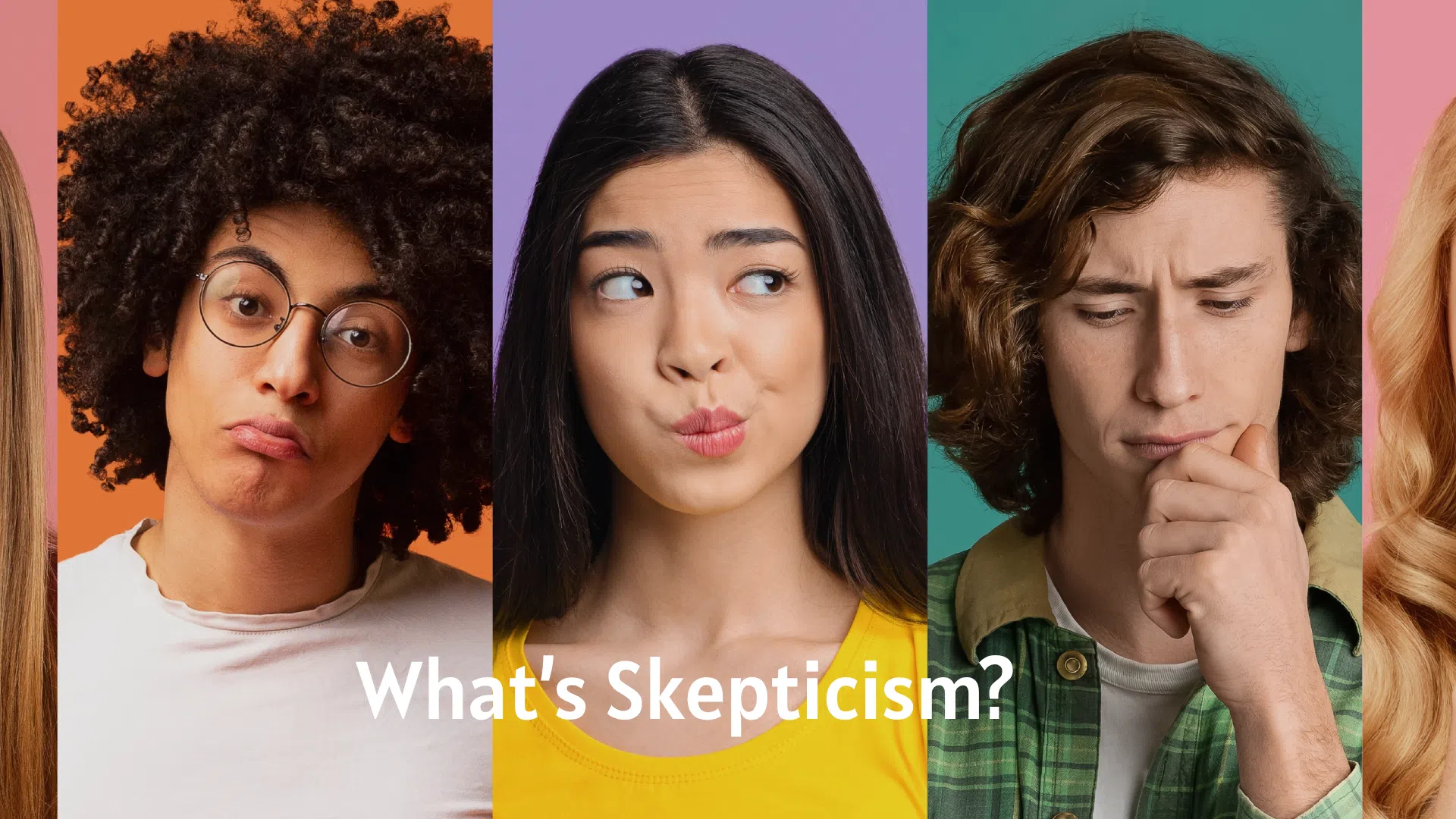
Skepticism comes from the Greek word skeptomai, which means “to search”, “to think about”, or “to look for”. Skepticism just means having doubt about something you've been told. It's questioning information and drawing your own conclusions instead of taking somebody's word for it. You can be skeptical about religion, politics, or anything. You can be skeptical about something that a neighbor tells you and what they tell you might not even sound suspicious. You just might not know if you can trust that neighbour's word. You can be skeptical about something that you read on the Internet and double check to make sure that the source is valid.
If you're a skeptic, it means that you suspend judgment until you find out for yourself, and you don't let other people tell you what to think. It means that you will do your own research, draw your own conclusions, and you don't automatically believe everything that you're told. Being a skeptic is more time consuming than just taking people's word for things, but skeptics say it's worth it. When you're skeptical, it just means that you want to have the correct information that's accurate, instead of just automatically assuming that everything is true. Skeptics are pretty good at watching for red flags, but we should watch for green flags too. Read about those here: What’s a Green Flag? Signs Someone is Good News
Is Skepticism Bad?
Some people say that skepticism in general is a bad thing, but how can skepticism be a bad thing? It can be bad for you to be a skeptic if certain people don't like that and they give you a hard time. Skepticism can be a bad thing if you go overboard with it. It can also be a bad thing if you question yourself too much.
People Don’t Like It
Some people have a problem with people not automatically taking their word for things. They feel that they are experts, and their word should always be taken as law. However, skeptics would say that this attitude is highly suspicious. Anyone who demands that you automatically believe everything they tell you without you double checking behind them might have something to hide, or they may be trying to manipulate you. If they don't get caught, they'll get by with it, won't they? So, skeptics don't worry if people don't like it because they're too busy looking for the truth.
You May Go Overboard
You might be so skeptical, you're constantly looking to refute everything that you hear, even if you know it to be true. Skepticism is like anything else. It should be balanced. Once you have evidence that something is true, you don't need to pick it apart and keep looking. When you first start researching things as a skeptic, it's OK to go overboard a little bit. Time will show you how to balance your skepticism. One Zodiac Sign that seeks balance is Libra and you can read about them here: Libra Traits | Star Sign in the Spotlight
You Question Yourself
It's always good to be humble and accept your own imperfections. However, you can question yourself so hard as a skeptic, you will lose confidence and never move forward with anything. It never hurts to double check your math when you're balancing a checkbook. If the numbers come out the same when you've totaled them three times, you don't need to total them a fourth time. When you know something to be true, then it's true, plain and simple.
How Skepticism is Good
Maybe some people take skepticism too far, but the benefits far outweigh any drawbacks. Skeptics won't let anyone manipulate them, and they're more informed than people who don't double check things. Skeptics are more open-minded because they look for the truth instead of just automatically telling themselves that they have it. They are critical thinkers and that helps them to make much better decisions.
You Resist Manipulation

If somebody throws a fit but you double check something behind them, chances are they're trying to manipulate you. Good luck trying to manipulate a skeptic, because they're going to find the truth. Sometimes, we have to cooperate and do what we're told. That doesn't mean we have to let people tell us what to believe. Doing your own research and finding out for yourself means nobody gets to lie to you or control your mind. Find out how to take back control of your life if you’ve lost it here: Overcome Powerlessness and Take Command of Life
You’re More Informed
Anytime you're a skeptic, you're looking for information. People who look for information always have more information than people who don't. Be careful with that though. People are going to start looking to you for knowledge, wisdom, and advice. If you're lucky, they'll let you teach them how to find their own information and you will have taught someone how to have healthy skepticism in life. The more you know you need to find out, the more you will end up finding out.
You’re More Open-Minded
Some people think that skeptics are closed-minded, but skeptics are actually the most open-minded people there are. They understand that information is out there, and they're looking for it. Anybody who thinks they have all the facts and all the information is going to close their mind and unfortunately, if the right information is right in front of them, they'll tune it out. Doubting what you've been told and looking to find out what the truth is opens you up to finding the truth. One great form of truth you can benefit from is constructive criticism. Find out all about that here: The Fine Art of Being a Constructive Critic
You’re a Critical Thinker
Critical thinking means that you can analyze information, evaluate any evidence you gather, and then form a good judgment. Critical thinkers analyze information they have, evaluate it to see how correct it is to draw conclusions, and then they take all this information and put it together to decide what they think is right. Skeptics are experts at this. Some people are naturally good at critical thinking, but other people have to learn it as a skill. Anybody can be a critical thinker. You just have to analyze all that information and draw conclusions from it.
You Make Better Decisions
You will make much better decisions as a skeptic than someone who believes everything they hear. Skeptics look for the right information. You can't make the best decisions if you have the wrong information. You can try, but the wrong information sends you in the wrong direction. Better decisions make for a better life. You might need a bit of guidance to make those good decisions. Discover how to find the best guidance here: Finding Your Guide When You’re Lost
Signs You’re a Skeptic
So how can you tell if you're one of these amazing skeptics? If you ask questions to get information and you do your own research, you're a skeptic. If you suspend judgment instead of believing everything you're told automatically, you're a skeptic. If people ask you for guidance and advice, you're a skeptic. If you look at all the information, weigh all the options, and look at all viewpoints, congratulations, you're a skeptic.
You Ask Questions
Skeptics question things. They also question people and they question their own impressions. They're very good at listening to their instincts when something seems doubtful. If someone tells them something, they might immediately ask the person who tells them some questions. They don't always tell people that they're asking questions though, and they keep those questions to themselves while they find out.
You Research
When you're someone who does your own research instead of believing what you've been told, you're definitely a skeptical individual. It doesn't mean that you're accusing someone of lying to you. It just means that you want to make sure that you have the right information. If someone tells you that two of your friends had a falling out, you might speak to both friends to find out what they say happened. Sometimes people tell you what they think is right, but they don't have all the information, so you research and you find it yourself. One thing you might want to do research on is any suspicious group because it could be a cult. Learn some signs you’re in a cult here: What Are the Warning Signs of Cults?
You Suspend Judgement
If you wait until you do your own research to decide what you believe, that is called suspending judgment. If you do that, you're definitely a skeptic. Skeptics are not in any hurry to decide what they think is the truth. They will wait until they have all of the information to decide that. Some people don't want to take the time to do all that, but skeptics take as long as they need. They know that it's better to wait to make the right decision than to make the wrong decision and have to fix any kind of problems that might cause.
People Ask You for Advice
If people come asking you for advice, they ask for your input on things, or they see you as somebody who has the information, you're a skeptic. You weren't born with all that information, you looked for it. You took your time to find it, and people can see that about you. Other people want the truth too, so they look to people like you for guidance to help them to find it. If you give good advice, you can make a real difference. Read about how to make a difference here: The Fine Art of Making a Difference
You Weigh All Options
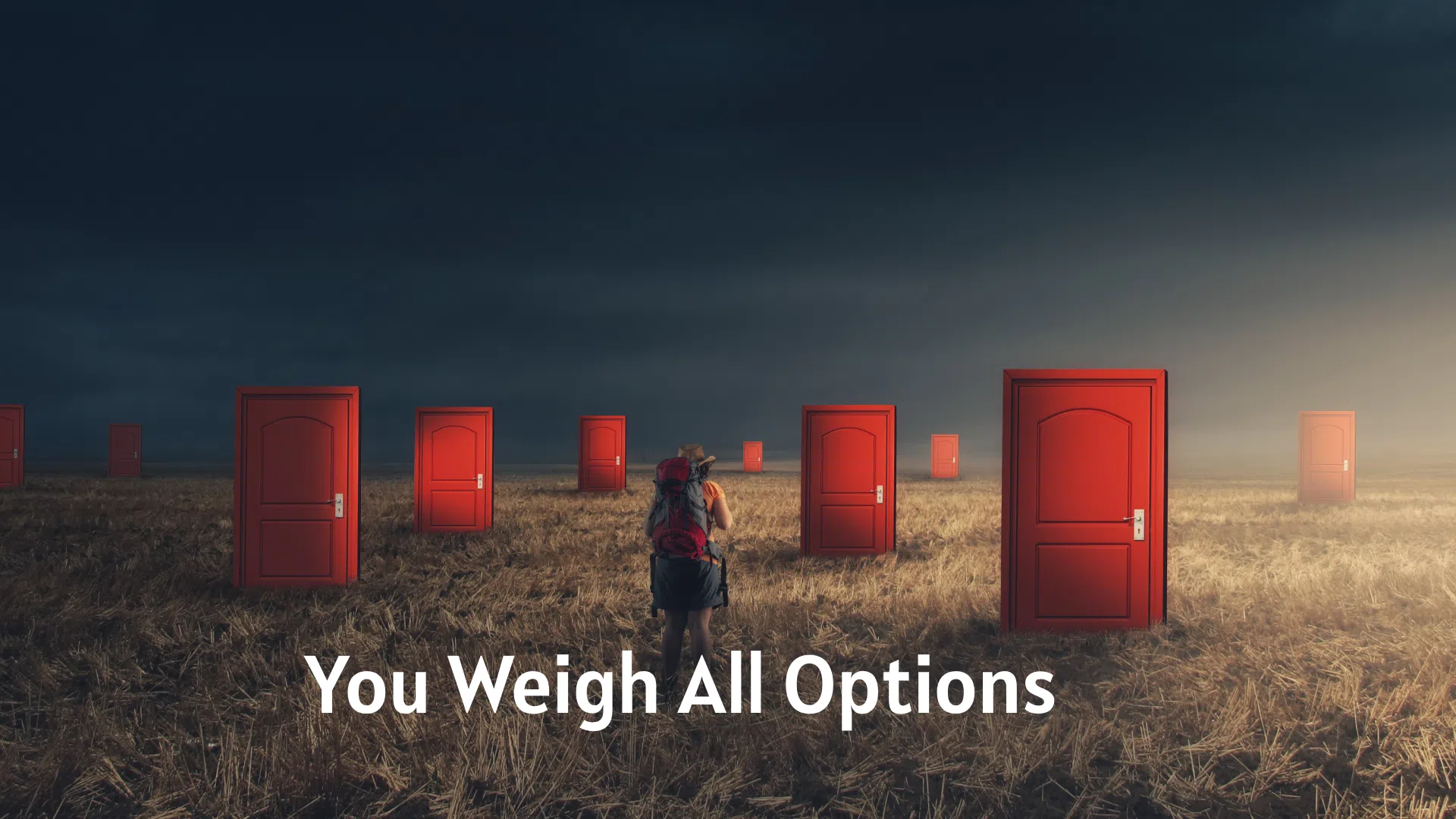
Some people believe that some information is forbidden. Skeptics know that the truth could lie anywhere. They know that the truth can be hiding behind a grouchy person, or someplace that a lot of people would disapprove of. If you're not afraid of finding information that some other people might disapprove of, or pushing yourself past your comfort level to go someplace that you wouldn't necessarily want to go, you're a skeptic, because you understand that the truth is important no matter where it is.
How to Be Skeptical
Healthy skepticism is an important skill that anybody can develop. If you balance your trust instead of just taking people's word for it, you can be a skeptic. If you don't make assumptions and you don't take people's word for things, you can be a skeptic. If you look for information in unconventional places, and expect the unexpected. You can be a great skeptic.
Balance Trust
Skeptics balance their trust with disbelief. There will be some people who you know you can trust when they tell you something. Other people, you will have to double check and find out if what they're telling you is true. Over time, they may prove themselves trustworthy. Over time, other people will prove themselves untrustworthy. Trust with new people is possible, even after bad relationships. Find out how here: Learn to Trust Again After Relationships
Reject Assumptions
Skeptics don't make assumptions. They get evidence. If you make assumptions, you're not relying on information. You're just relying on something like a stereotype. You can't always judge things at first sight. You have to look beneath the surface to get the full story. Allow yourself the time to investigate everything instead of closing your mind just because you've made an assumption about something.
Take Nobody’s Word
There are some people who get very angry if you don't automatically take their word for things. Don't let them bully you into telling you what to think. It would be easy if we could just take people's word for everything, but skeptics don't do that. They find out for themselves. One Zodiac Sign that has no problem not letting people tell them what to think is Sagittarius and you can read about them here: Sagittarius | Traits Star Sign in the Spotlight
Look in Unconventional Places
The answers may not lie on the surface. Read between the lines of conversation, listen to tones of voice, watch body language, and ask other people for input. Sometimes the truth is obvious, but other times it lies well hidden. The unpopular coworker in the office who doesn't talk to anybody may be a good source of information because instead of talking, they're busy listening.
Expect The Unexpected
To be a skeptic, you have to expect the unexpected. If the truth isn't immediately obvious, there's no telling what the truth is. Rejecting information because it sounds unusual, strange, or downright shocking is something that a skeptic would never do. The truth is the truth, no matter how unexpected it may seem.
Skeptics are people who have a healthy amount of doubt. Some people say skepticism is bad if it's taken too far, but it's very good because people can't manipulate you and it makes you a critical thinker. To be skeptical, reject assumptions, don't take everybody's word for things, and expect the unexpected when you're looking for the truth. Just be careful, word will get out about how smart you are and everybody will want your advice!
Would you like to speak with a psychic about something that doesn't sound true? Get a reading started now!