Death terrifies us more than anything else, but we all die. Find out what death really is, why it happens, and the meaning of it.
The ancient Celtic high day venerating the dead is upon us. Some say it is the Full Moon before , and others say it always falls on November 1. Samhain acknowledges the perilous balance between life and death we walk every day and gives respect to those who crossed into the afterlife, while seeking to prevent the living from being taken away. Today, few remember the way people sought to hold off death generations ago, and just save honoring the dead for single events, like funerals. Read more about Samhain here: The History Behind Halloween & Religions
During this sacred time, it is only fair that we examine death itself, while honoring those we love who died. What is it and why does it have to happen? Join Mysticsense to explore death. Find out what it is from a scientific as well as religious perspective. Find out what causes death,and the true reason why we die. Death isn’t fun, and it’s not something we look forward to, but it happens to us anyway. Read on to learn why.
What is Death?
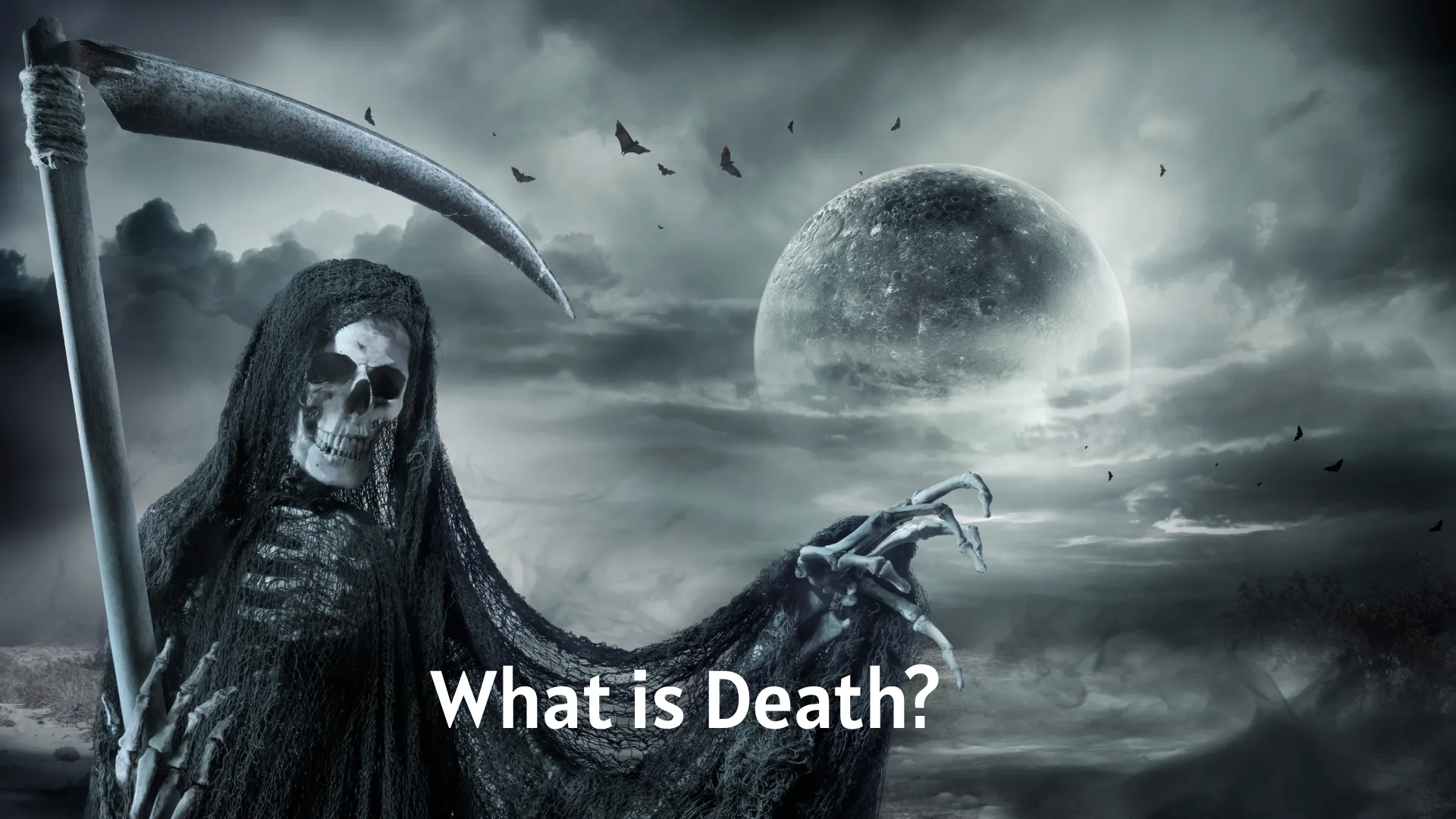
Death is when life ends. This means the biological functions that sustain a living being cease. After the stillness of death comes physical decomposition. Oxygen no longer pumps through lungs, and blood no longer flows through veins. The body decays. We have always been aware of death, but the first sign death was observed was when the first burials occurred. To our knowledge, Qafzeh Caves in Israel hold the first known burials from 100,000 to 120,000 years ago.
It is said that burial was also the first evidence of religion. Someone decided that burials of human remains indicated belief in an afterlife somehow, and this indicates belief that death is not the final snuffing out of life. It means death is a part of life before a new beginning in another world or body. We are wired with the instinct to avoid death and that is why we fear it. That fear is a great way to ensure survival. Some people believe the very awareness of death not only triggered burial and belief in the afterlife, but belief in a higher power as well. Some say we just became aware of the existence of a higher power, but considering the fact thousands have been named all over the world, which deity is yours? Find out here: Dear God, Who Are You? Finding Your Deity
What Causes Death?
Death is caused by illness, injury, or aging. These things shut down organs, breathing, the brain, or blood flow. The newest data available about the top causes of death worldwide from the World Health Organization is from 2023. The top ten causes of death worldwide are ischemic heart disease, stroke, chronic obstructive pulmonary disease, lower respiratory infections, Alzheimer’s and other dementias, diabetes mellitus, trachea, bronchus, or lung cancers, hypertensive heart disease, kidney diseases, and diarrheal diseases. The average life expectancy was listed as 73.3 years. Read more from the World Health Organization here: Global Health Estimates: Life expectancy and leading causes of death and disability
The Meaning of Death
Different people have shared different views of the meaning of death. Spiritually, Christianity, Neo Paganism, and Buddhism have different views of the meaning of death. Science has a different view.
Spiritually
Rather than just say the body stops working, religious traditions assign deeper meaning to death. From Christianity speaking of eternal reunion or separation with a deity to the Buddhist view of the cycles of birth, death, and rebirth, and the Neo Pagan view of death and life, people have their views.
Christianity
Christianity believes that physical death of the body is an opportunity for people to leave earth and reunite with their Creator. They believe sin separates mankind from that god, and through either prayer and good deeds, shunning sin and asking forgiveness, or being given grace through faith, mankind can go to their god’s home, Heaven for eternity. There are considered to be thousands of different types of Christianity, but all of them view getting to Heaven as the goal after death. The alternative is eternal separation from Heaven in a place called Hell, where many Christians believe that eternal punishments and torment await those deemed unworthy of Heaven.
Neo Paganism
There isn’t just one form of Neo Paganism, but many. Norse Heathen Neo Pagans see death as an opportunity to help their father god Odin. It is believed if you die as a valorous individual, your soul belongs to Odin, and you will fight a battle at end times between Odin and his enemies. Wiccans have a view of reincarnation. We die and are reborn to another life without necessarily having punishments and rewards attached to new life. A place called the Summerlands is visited by a soul where it rests before it is reborn. ADF Druidry teaches there is no one set afterlife, but the spirits of the dead still exist in a sacred place and continue to influence and visit the living. Some ADF members believe in reincarnation also. One form of Neo Paganism is Wicca, and you can read about Wiccan psychic readings here: What is Wicca? Insights from a High Priestess
Buddhism
Buddhism says sickness, aging, and death are natural processes that teach lessons. They believe that impermanence is inevitable and we should find peace instead of fearing death. Nothing lasts forever and accepting that makes dealing with death easier. The more we cling to things, fighting change, the more we suffer, and we can avoid quite a bit of suffering if we accept the fact things change. Buddhism teaches that one thing we should stop clinging to is the concept that we have one body and one life. They teach we will be reborn again in another life. We move from one life to another like a flame from one candle to the next. Life is not about punishments and rewards, and that having the right mindset of peace and compassion makes the transition to the next life better.
Physically
Death is defined by physical terms differently than by religious ones. The heart, breathing, and brain activity stop upon death. First, oxygen stops reaching the organs and brain. Blood drains from surface bold vessels and makes skin pale. Within 1-12 hours, the body temperature drops, blood pools in the body and the muscles stiffen. A day and beyond, the body starts to decay. People have been revived from death, but that needs to happen within a few minutes or the brain can have irreversible damage from lack of oxygen. If you are revived, you can have a near death experience. Read about those here: What is a Near Death Experience Like?
So Why Do We Have to Die?
Believe it or not, some species of animal are biologically immortal. Some flatworms can do something called tissue regeneration, meaning if their bodies are broken they can grow a whole new body from a piece of themselves. Hydra are freshwater creatures that continuously regenerate after dividing themselves so they don't age or show cellular death like some other species. The immortal jellyfish is a small jellyfish that can transform its adult cells back to the stage of youth and it repeats this cycle indefinitely unless it is killed by a predator.
Other than those creatures, the rest of us die. Physically, we die because our bodies can’t last anymore. A serious injury or illness may bring our lives to a sudden halt. We may die because of old age. Our bodies are not designed to last forever. For some religious people, it's not that simple. The body is just a vehicle for the soul and we have to die because it's time to move on to the afterlife or another life. Whether you believe that it is for physical reasons, spiritual reasons, or both, we die because we were created that way somehow. It is just the way we are. There are some people who seem to keep themselves alive through sapping other people’s life forces. Read about those energy vampires here: How to Deal with an Energy Vampire
Dealing with Death
These answers don't seem to be enough when you're hurting because you're about to die or someone who you love has. Dealing with death is very personal and everyone has to do that on their own terms. Some people just seem to naturally accept death is coming, or that it is a part of life. Other people grieve death deeply. Whether it's coming to terms with your own mortality over time or quickly, it is natural for us to fear death because we are built with the instinct to survive.
Dealing with other people's death holds other difficulties. For some people, it's accepting the fact that death happens and how unfair it feels. For other people, it's learning to live without someone who is very important to them. The death of someone who was a big part of our lives creates massive changes that none of us are ready for. For some people, they have to face the reality that the person who they spent the most amount of time with is gone, and their life feels empty. They wonder if they will ever love that deeply again, or feel that close to anyone again. You can find love again after death or breakups. Read more here: How to Fall in Love Again After Being Hurt
Death creates grief. Grief is a response that is both emotional and physical because we've had a significant change or loss. Emotionally, we can be heartbroken, angry, or even have conflicting emotions. More than that, though, it can cause physical changes including loss and appetite, exhaustion, inability to sleep, and can result in illness. It affects your mind and you will have a hard time concentrating and you may obsessively dwell on memories. You may lean heavily on other people for comfort, or completely withdraw. Death completely changes your life when you lose someone who you love. The way to get through this is to be patient with yourself, allow yourself to feel the way that you feel, and don't rush to get over death. Read some tips for dealing with grief here: How Can We Deal with Loss and Communicate with the Dead?
Remembering the Dead
One thing that comes after death as we seek ways to remember our dead. Perhaps the most common way we do that is through memorial celebrations. You can also establish traditions or follow traditions that they did, and you can follow their example in remembrance of them.
Memorials
In every culture, there are funerals and celebrations of life. You can create your own memorial without a group. If you have any belongings of the deceased, set those on a table. Put a plate there for the dead, and fill it up with the things they would have liked to eat. Put their favorite drink on the table also. If you have photographs of them, place those on the table as well. Play some music, a television program, or a movie in the background they would have enjoyed. Now fill a plate and put a drink at the table for yourself. Light a single candle, speak the name of your loved one, and invite them to have a meal with you. Speak to them as if they were alive, and you will be surprised when their presence graces your table.
Traditions
There are things that we all love doing, especially together. Some families keep a favorite tradition alive for holidays in honor of the deceased. At holiday tables, a plate will be left for the deceased. Other people will put out their favorite holiday decorations. Other people will participate in things that they did together. They will listen to their favorite song that they used to dance to together. They both visit their graves and talk to them every so often. If you went to the movies once a month together, sometimes you can go to the movie by yourself with a picture of your loved one in honor of them. Doing things that remind you of them keeps their memory alive. Sometimes just choosing to be a loving person is a great way to remember people. Find out why you should always choose love here: The Case for Always Choosing Love
Following their Example
The longer someone is in our life, the more we learn from them. Our relatives, teachers, and even friends taught us things that we will never forget. What good things have they taught you? What things did they do to leave a good example that you can follow? Your great uncle, who was always kind to animals, can be remembered when you volunteer at an animal shelter. Your mother's dedication to feeding the hungry can be followed in her honor when you feed the hungry. Your favorite teacher’s dedication to self improvement and continuing education can be something that you do to keep their memory alive. We never forget the people who we love, even if they die before we do. Following their example is just one way to remember them.
Death is one of the terrifying realities of life that we all have to accept. Some people say it happens because of biology, and other people say it's because life is transient and we are moving to another life. Regardless of why you believe death happens, it isn't easy to accept. We are hard wired to try and stay alive. It can be terrifying accepting your own death because you can't remember having done it before, if you do believe that you've done it before. Perhaps the most hurtful thing is when you lose someone who is very important to you to death. Give yourself time to deal with grief and heal at your own pace. Do things in memory of your dead, and give yourself grace and time to heal.
If you are grieving death, you don't have to do it alone. Reach out for a reading anytime, any day for support.
Enjoying our spiritual guides?
⭐ Add Mysticsense as a Preferred Source on Google